Ongoing
EducationLikouala
Likouala bridge schools
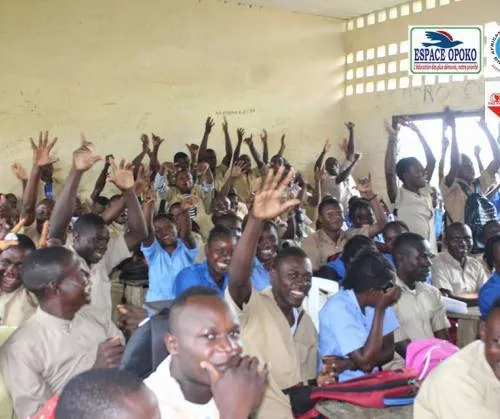
Mother-tongue transition classes preparing indigenous children to enter public school.
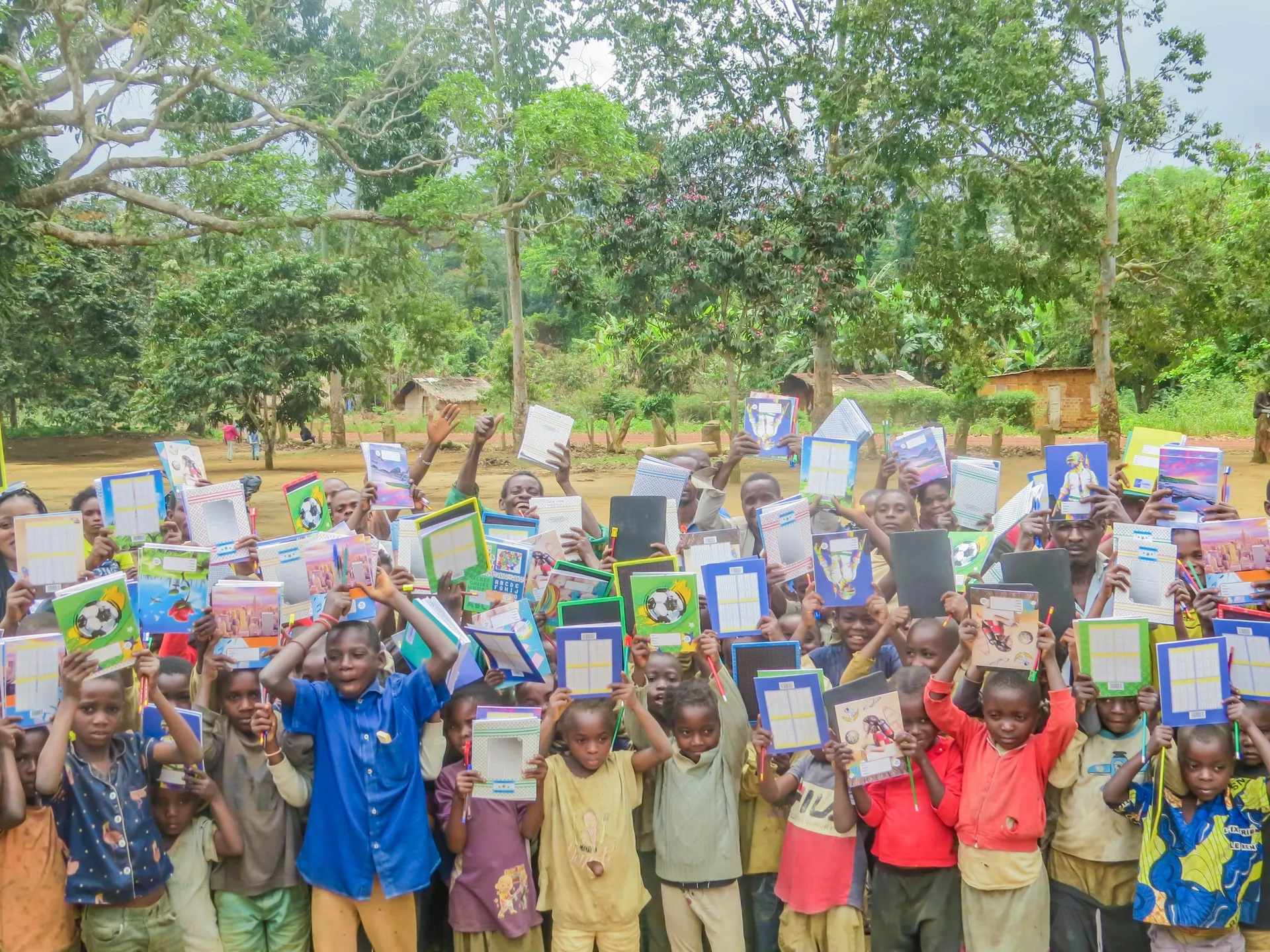
Espace OPOKO works alongside indigenous peoples and vulnerable communities in the Republic of Congo to promote their rights, their access to essential services and their participation in development.
New
UNESCO
Member of the Congolese National Commission for UNESCO
RENAPA
Member of the National Network of Indigenous Peoples of Congo
REPALEAC
Member of the Network of Indigenous and Local Populations for the Sustainable Management of Central African Forest Ecosystems
Since 2012
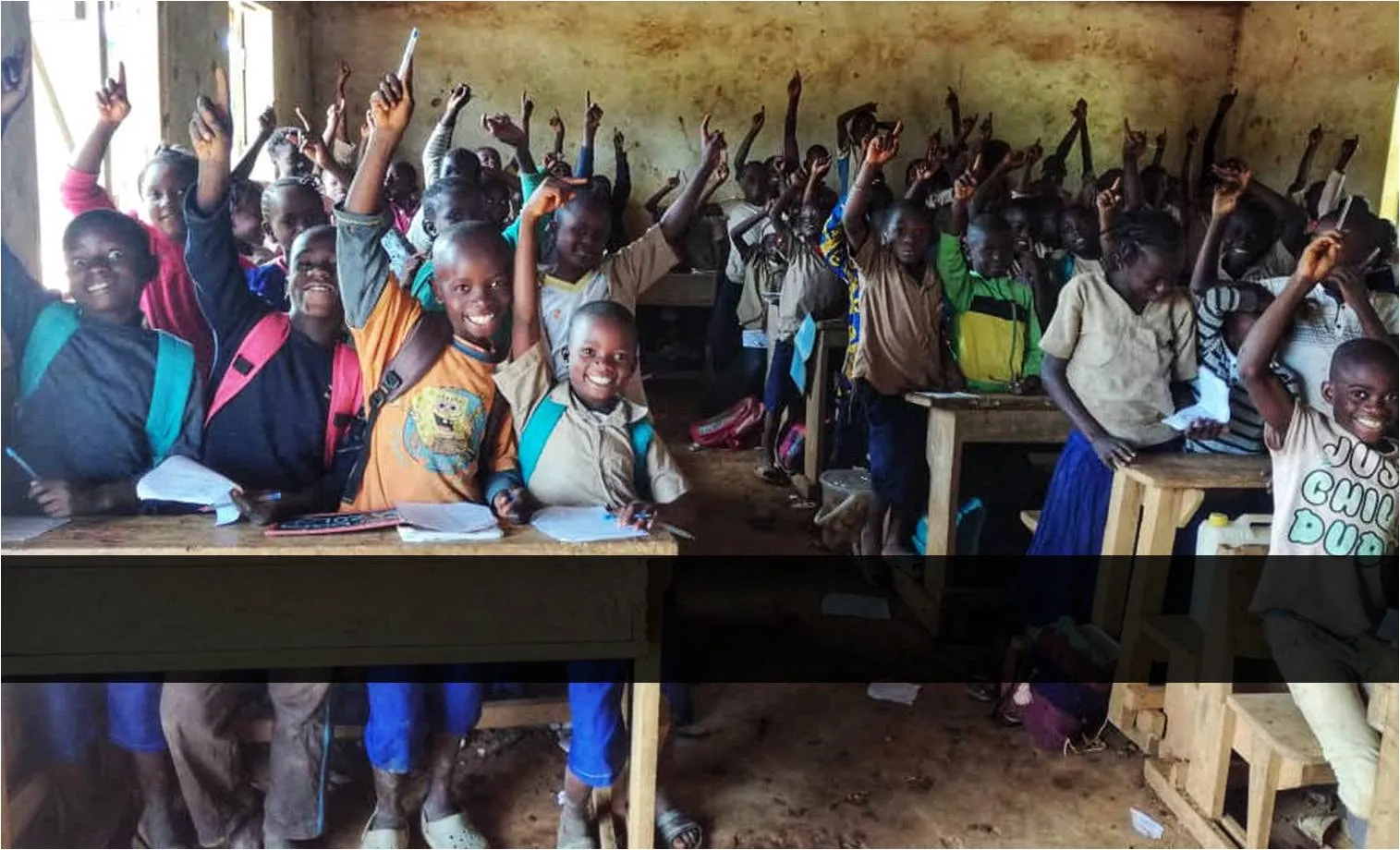
Espace OPOKO was born from a simple observation: in Congo, indigenous peoples remain the furthest from school, healthcare and the recognition of their rights. We work with them, in their villages, to build lasting answers together.
Our storyDistance, missing civil records and discrimination still keep many indigenous children out of class.
In isolated settlements, the nearest health centre is often several days’ walk away.
The forest feeds families, yet their use rights are rarely recognised in writing.
Findings to be documented with Espace OPOKO sources.
What we do
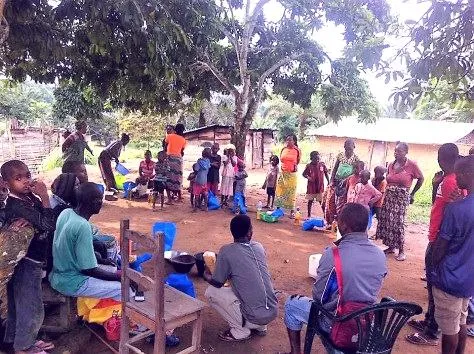
01
Raising awareness of and enforcing the 2011 law on the rights of indigenous peoples, from civil registration to access to justice.
Explore this area : Indigenous peoples’ rights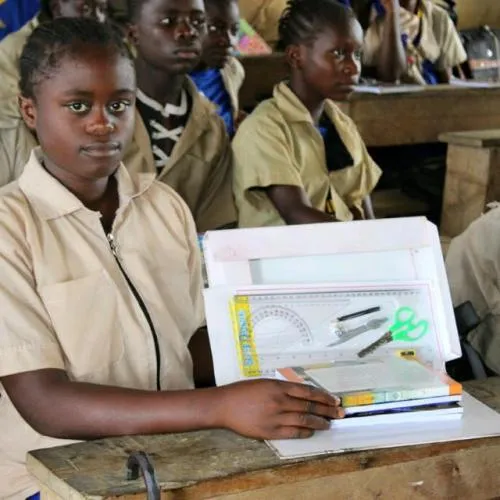
02
Enrolment, retention and success of indigenous children and youth, with teaching that respects their language and culture.
Explore this area : Education
03
Bringing basic care closer to remote villages: vaccination, maternal health, prevention and fighting malnutrition.
Explore this area : Health
04
Protecting the forest communities depend on and valuing their knowledge in sustainable natural resource management.
Explore this area : Environment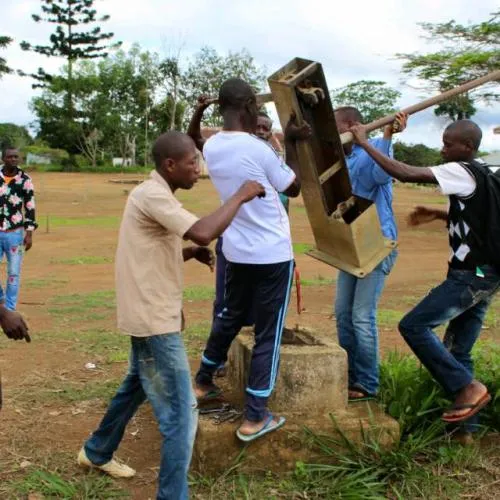
05
Income-generating activities, cooperatives and training so families gain economic independence.
Explore this area : Community development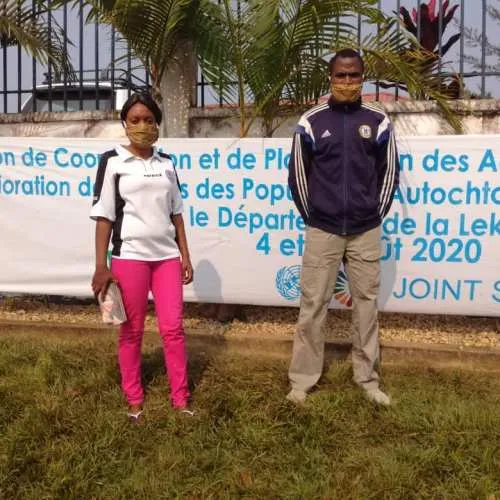
06
Fighting discrimination and ensuring communities take part in the decisions that affect them.
Explore this area : Human rights and social inclusion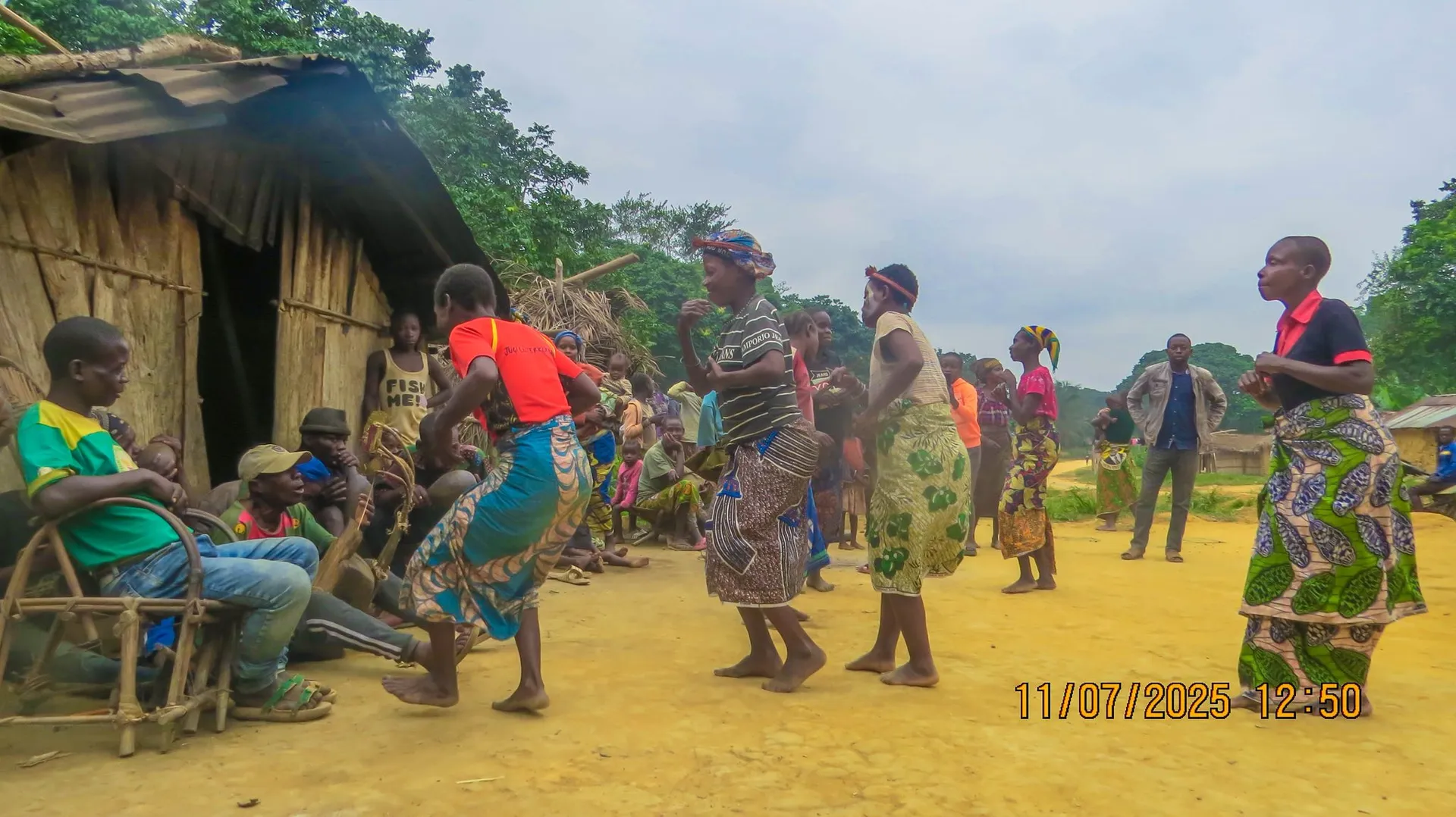
Focus
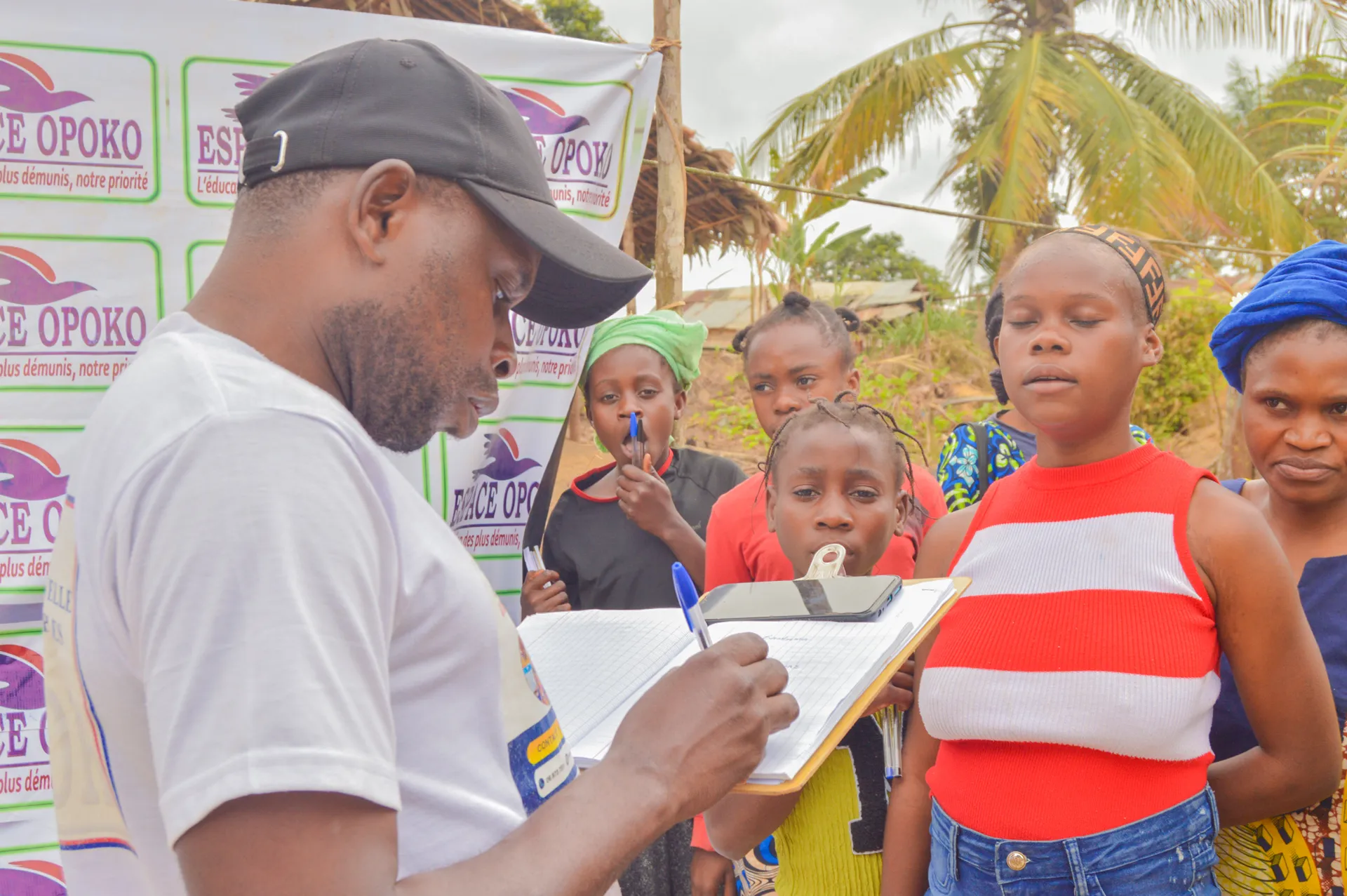
In Congo, indigenous peoples’ rights are recognised by Law No. 5-2011. Between the text and daily life, the gap remains vast. We tackle it through what concretely changes a life: a birth certificate, a place at school, health follow-up.
Nothing is decided without communities: every project starts by listening, in the local language, and involves settlement chiefs, families, schools and authorities.
Provisional figures, being verified.
Projects
EducationLikouala
Mother-tongue transition classes preparing indigenous children to enter public school.
HealthLékoumou
Mobile clinics and trained community relays following mothers and infants.
EnvironmentSangha
Participatory mapping of lands and recognition of customary use rights.
Where we work
Our projects span several departments, from the Likouala forests to the central plateaux.
Our impact
Provisional figures, being verified.
Field stories
 01 / 03
We used to walk two days to see a nurse. Today I’m the one supporting the women of our settlement.
Mireille N. — Mother and health relay
Sibiti, Lékoumou
Trained in 2023 by the mobile health programme.
Related project : Mobile health in Lékoumou
 02 / 03
At the bridge school I learned to read in my language. Now I read French to my little brothers too.
Jonas M. — Year 7 pupil
Impfondo, Likouala
Started secondary school in 2025.
Related project : Likouala bridge schools
 03 / 03
The map we drew together is now recognised. Our parents’ forest is written down in black and white.
Chef Bienvenu K. — Settlement chief
Ouesso, Sangha
Participatory mapping, 2019–2022.
Related project : Sangha community forests
Placeholder testimonies — to be replaced with stories collected with consent.
They trust us
List to be confirmed. Official logos to be supplied by each partner.
A gift funds birth certificates, school supplies, health rounds. Choose an amount to begin.